Most retirement mistakes arrive with the same opening line.
“I thought we could fix it later.”
That sentence usually comes from a reasonable place. People know the system allows corrections. They have heard about waivers, extensions, amended returns, and relief programs. Nothing felt urgent at the time, so it seemed logical to move first and clean things up after.
Sometimes that instinct is right.
Sometimes it is very wrong.
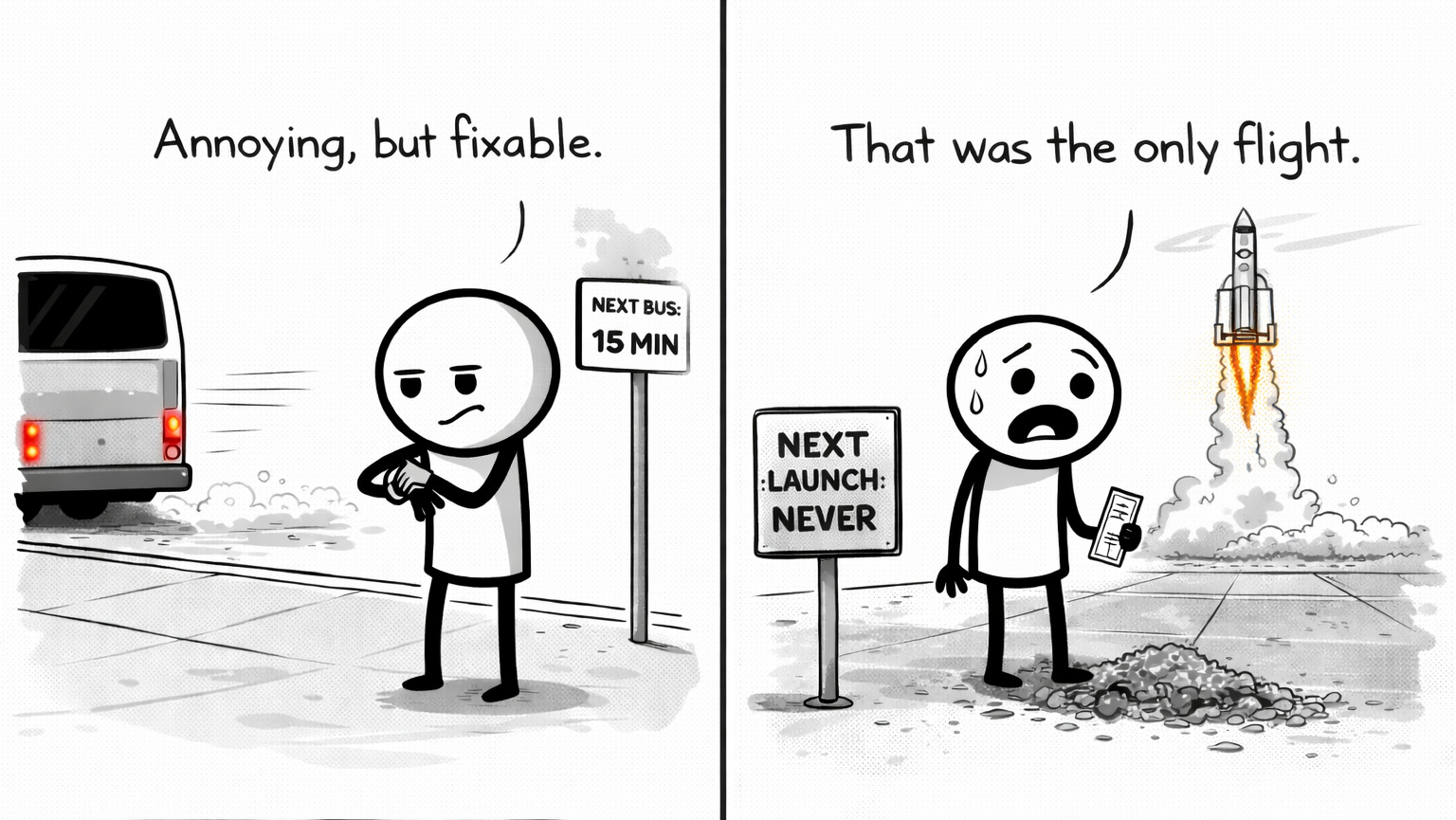
The confusion comes from assuming all problems live in the same category. They do not. Some issues are fixable. Others were preventable. The cost difference between those two groups is usually time.
The retirement system makes a clear distinction, even if it does not announce it out loud.
Fixable issues are problems where the rules include a correction mechanism after the fact. Preventable issues are problems where the rules only work if action happens before a specific deadline.
Calendar year deadlines are where this line is usually drawn. December 31 is the point where many opportunities either lock in cleanly or disappear entirely.
Tax filing deadlines come later and serve a different purpose. They allow reporting and certain corrections, but they do not reopen the calendar year.
Correction windows exist in between. These are rule specific periods where a mistake can be repaired without permanent damage. Once those windows close, the issue moves from fixable to permanent.
If something is done later instead, the system does not ask whether it could have been prevented. It applies the rule that matches the timing.
Excess contributions are a classic example of something fixable.
Someone contributes to an IRA and later discovers they were not eligible. The account does not freeze. Nothing breaks immediately.
If the excess is addressed by the tax filing deadline or extension, the contribution can often be removed or recharacterized and the issue resolved without ongoing penalties.
If it is done later instead, after the correction window closes, penalties apply for each year the excess remains. The problem is still fixable in the sense that it can be removed, but the cost increases with time.
This is a fixable issue that becomes more expensive when ignored.
Missed contributions fall into the preventable category.
Someone is eligible to contribute for a given year. They plan to do it later. Life intervenes.
December 31 arrives. The year closes. At that moment, the window to earn contribution eligibility for that year is closed, even though the actual funding deadline runs to the tax filing deadline
If a contribution is attempted later instead, it must apply to the new year, assuming eligibility still exists. The closed year does not reopen.
This is not a fixable mistake. It was preventable. Once the calendar year closes, the decision is final.
Required minimum distributions sit in an uncomfortable middle ground.
An RMD must be taken by December 31 for the year it applies to. There is no enforcement during the year. Accounts function normally whether the distribution happens or not.
If the RMD is missed, the problem is technically fixable. A corrective distribution can be taken. Penalty relief may be available.
If the correction is handled properly and promptly, penalties may be reduced or waived. If it is done later instead or ignored, penalties apply based on the year that already closed.
The RMD itself was preventable. The penalty is fixable, sometimes. That distinction matters.
Rollovers are less forgiving.
A distribution taken with rollover intent starts a clock immediately. The system allows the funds to leave the account without friction.
If the funds are deposited into another eligible retirement account within the rollover window, the transaction qualifies. If they are not, the entire distribution is reclassified as taxable.
If the deposit happens later instead, even slightly later, the classification does not soften. Taxes apply based on the original distribution date. Early distribution penalties may apply depending on age.
This is a preventable problem. Once the window closes, there is no correction mechanism that restores rollover treatment.
Roth conversions highlight the difference between fixable and preventable even more sharply.
Conversions are allowed at any time during the year. Taxes may be withheld. Everything looks clean when the transaction occurs.
The tax outcome depends on what IRA balances remain on December 31.
If other traditional, SEP, or SIMPLE IRA balances remained on that date, the conversion becomes taxable based on that year end total.
If those balances were moved out before December 31, even if they were large earlier in the year, the pro rata rule does not apply.
If cleanup happens later instead, after the year closes, the conversion outcome does not change. The rule has already been applied.
This is not fixable after the fact. It was preventable before the deadline.
The reason this distinction causes so much frustration is that the system does not advertise which category you are in while you are making the decision.
Everything feels flexible in the moment. Accounts allow transactions. Corrections exist. Silence feels reassuring.
The difference only becomes obvious when the clock stops.
Calendar year deadlines determine which problems can still be prevented. Tax filing deadlines determine which problems can still be fixed. Correction windows determine how expensive the fix will be.
If something is done later instead, the system does not evaluate intent. It evaluates timing.
Understanding this removes a lot of unnecessary fear. It explains why some issues resolve cleanly and others feel final. It explains why the same delay can be harmless in one situation and costly in another.
Most people do not struggle because they made bad decisions. They struggle because they did not know which decisions had expiration dates.
Fixable problems give you a second chance. Preventable problems only give you a lesson.
Once you know the difference, the system becomes easier to navigate.
And clarity is always cheaper than surprise.
I write one of these every day, one retirement rule, explained in plain language and verified against the source. The daily email is free: subscribe here.
Disclaimer
This article is for educational and informational purposes only. It is not tax, legal, or financial advice and does not create an advisor–client relationship. Always consult appropriate professionals regarding your specific situation.